venerdì 6 dicembre 2013

Tartan looks

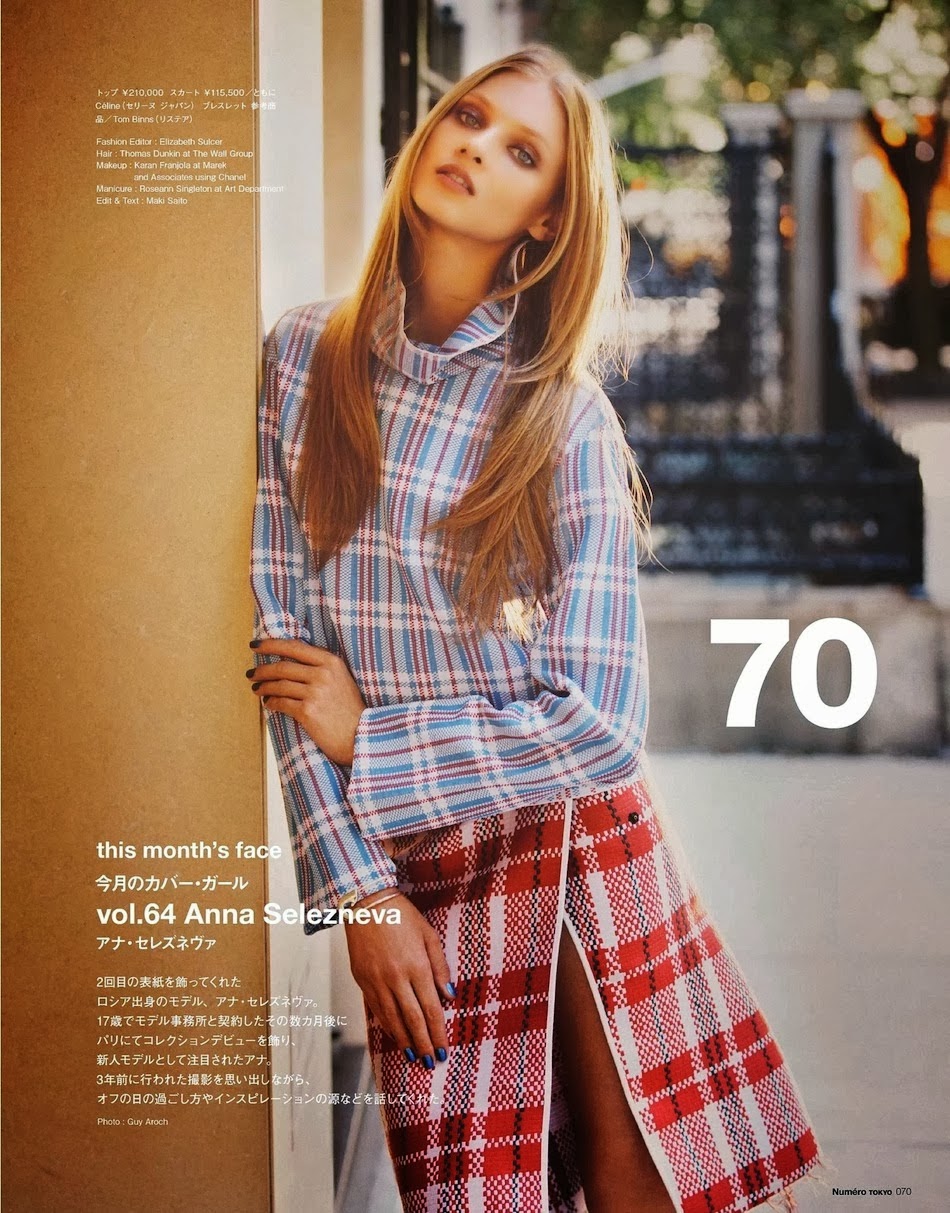
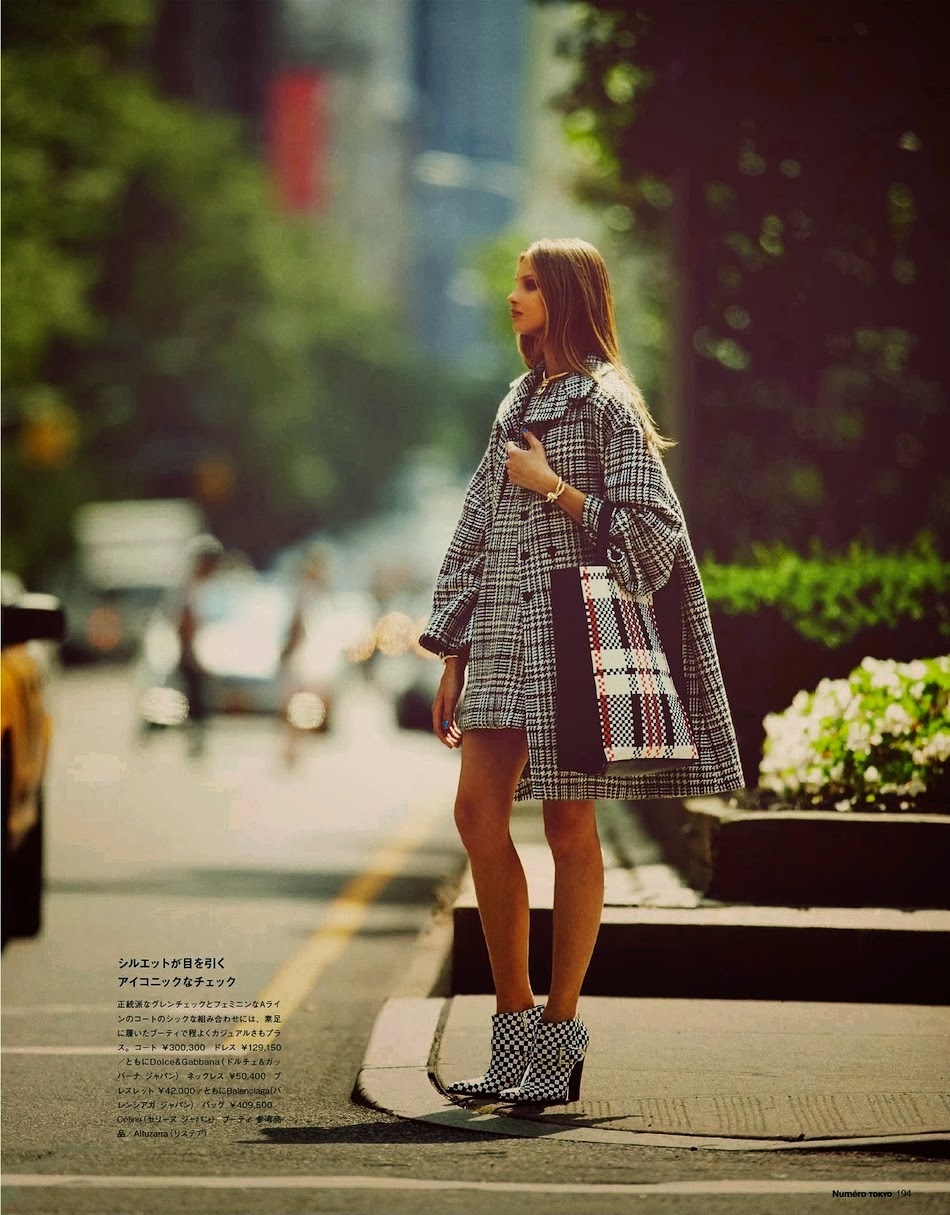
Anche se in molti considerano il tartan una stampa riservata a nonne e ragazzini, mai come quest'anno la moda ha dimostrato che può essere indossato in modo fashion e femminile! Ecco allora qualche consiglio:
  1. Considerate la forma. E' vero che sono tornate alla ribalta, ma non buttatevi sulla prima camicia in flanella che trovate, considerate prima il look che volete realizzare. Le camicie di flanella da donna, infatti, possono essere larghe o con un fitting più aderente. Le camicie larghe sono più casual e adatte a look sportivi. Invece le camicie con pences e dettagli femminili risultano più eleganti ed adatte anche ad occasioni più formali.
  2. Per look casual. Abbinate una camicia scozzese morbida, button-down leggermente oversize con i vostri jeans preferiti. Aggiungete una scarpa pulita ma informale, come ballerine, loafers o sneakers, e mantenete gioielli e accessori al minimo.
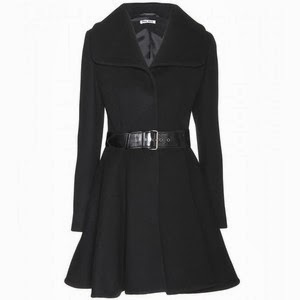
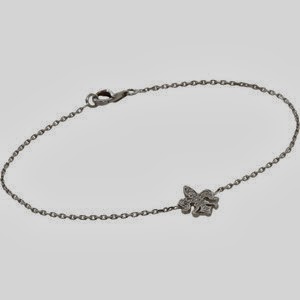
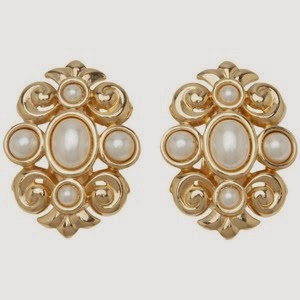
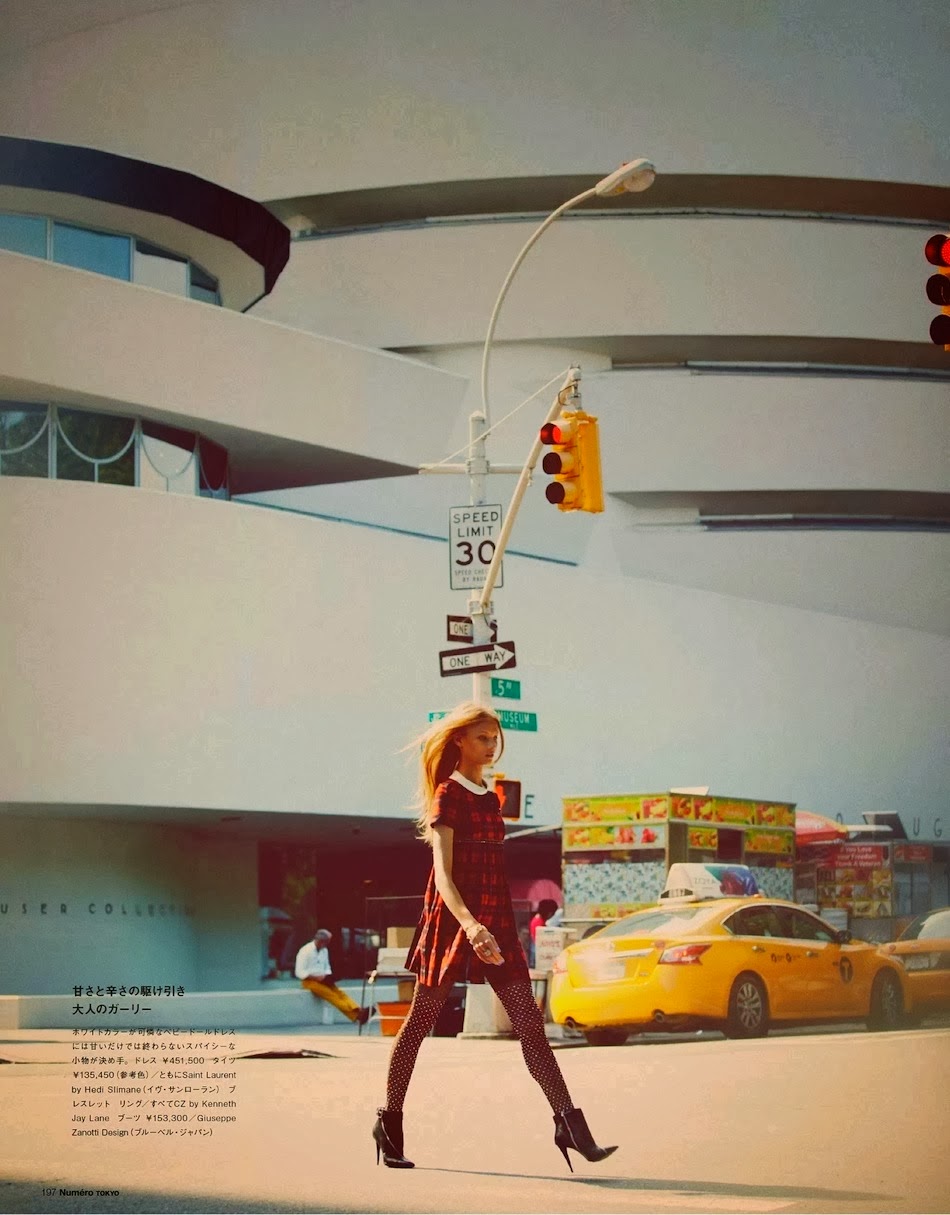
  3. Per look più sofisticati. Indossate un'abito stampa plaid su un paio di leggings o collant scuri. Se necessario avvolgete una cintura sottile intorno alla vita e aggiungete qualche accessorio in oro, come collane, bracciali o orecchini. Terminate con un paio di stivaletti alla caviglia col tacco alla moda .
  4. Provate la gonna da "studentessa". Scegliete una gonna scozzese con i colori tradizionali , come il rosso e il nero o il blu scuro e il nero . Abbinatela con una camicia button-down bianca e se volete aggiungere un tocco sexy indossate un paio di parigine nere o grigie; in questo caso però evitate i tacchi, meglio mocassini o ballerine.
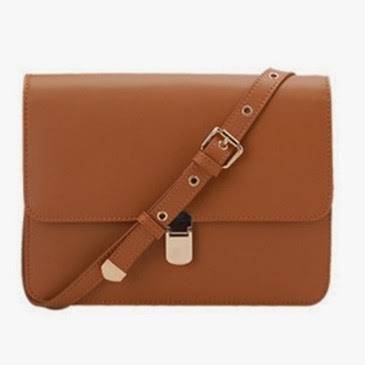
  5. Provate gli accessori plaid. Cercate una borsa, sciarpa, scarpe o anche una cintura tartan. Aggiungete un paio di questi accessori ad un'abitino semplice a tinta unita o a jeans, tee bianca e blazer grigio.


While many consider tartan to be a childish or granny print, the fashion-conscious woman can wear it and still look feminine doing so.
  1. Consider the fit. Women's flannel shirts can either be loose or fitted.
    1. Loose shirts are more rugged and casual.
    2. Fitted shirts are more stylish and easier to dress up
  2. Make it casual. Match a loose, slightly oversized button-down tartan shirt with your favorite pair of jeans. Wear a clean yet casual shoe, like a flat or sneaker, and keep any jewelry or accessories to a minimum.
  3. Dress it up. Wear a fitted plaid tunic or dress over a pair of dark leggings. Wrap a scarf or belt around your waist and add a few gold accessories, such as necklaces, bracelets, or earrings. Finish it off with a pair of fashionable heeled anckle boots.
  4. Wear a "schoolgirl" skirt. Pick a tartan skirt with traditional colors, like red and black or navy and black. Pair it with a plain white button-down shirt. Wear a pair of black knee-high socks, and throw on some simple black flats.
  5. Spice things up with plaid accessories. Look for a tartan handbag, scarf, or belt. Add the accessory to a simple plaid-free outfit that only uses solid prints like to a white t-shirt and jeans.


TARTAN BLOUSE
INVERNI


MOSCHINO

MIU MIU

MIU MIU


VALENTINO

FURLA


MARC BY MARC JACOBS


TARTAN SKIRT

MISS SELFRIDGE


MIU MIU

ISABEL MARANT

DOLCE & GABBANA


CHARLOTTE OLYMPIA


TIFFANY &CO

OLIVIA BURTON


TARTAN PANTS
LIPSY

DIOR

VERSACE

MOSCHINO


MOSCHINO

MOSCHINO

TOP SHOP

DOLCE & GABBANA


MICHAEL KORS


TARTAN DRESS
RIVER ISLAND


MISS SELFRIDGE

ERICKSON BEAMON


REPETTO


BARNEY'S


...next: classics

giovedì 5 dicembre 2013

Tartan maxi skirt


A me il tartan è sempre piaciuto (bè, proprio sempre-sempre no, da piccola odiavo la gonna scozzese che ogni tanto mamma mi costringeva a mettere... ;P) e quest'anno sono proprio contenta che sia così di tendenza!
Ho cominciato a comprare le prime cose in questa fantasia già a settembre (anche perchè sono dell'idea che le prime uscite siano sempre le migliori) e, anche se ho dovuto aspettare un pò per indossarle, adesso mi sto godendo i frutti delle mie ricerche.
Questa maxi gonna in lana è uno dei capi più particolari che possiedo in stampa tartan.
A dire il vero me l'ero quasi dimenticata, la comprai a fine estate ed è rimasta piegata (da ricordare: non piegate MAI le gonne per riporle, sono rimasti tutti i segni delle pieghe, e me ne sono accorta solo quando ormai era troppo tardi per stirarla di nuovo)  in fondo all'armadio fino a qualche giorno fa quando l'ho ritrovata per caso.
Inutile dire che l'ho messa subito: è perfetta per l'inverno, comoda, morbida ed elegante, è addirittura talmente calda che l'ho indossata senza calze! ^^


I 've always liked tartan print (well, really not so always - always, when I was little I hated the plaid skirt that sometimes my mom sometimes forced me to put on... ;P ) and this year I'm very happy that it beacame so trendy! 
I started to buy the first pieces in this print in early September (for me, the first collections are always the best) , and even though I had to wait a while to wear them, now I'm enjoying the fruits of my research . 
This wool maxi skirt is one of the most original piece I own in tartan print.To be honest I'd almost forgotten of it,  I bought it in late summer and it remained folded (remember : NEVER fold skirts to put them away, when i wore it there were all the signs of the folds, and I realized it only when it was too late to iron it again) in the bottom of the closet until a few days ago when I found it for chance. 
Needless to say, I put it on at once: it is perfect for winter , comfortable, soft and elegant, it is even so warm that I wore with no tights! ^ ^


STEFANEL TOP 
GUESS SKIRT
REPETTO FLATS

E, parlando di tartan,volevo suggerirvi un trucco: vi sembra che la classica stampa scozzese sia troppo per voi? Provate con le calze: queste che vedete nelle foto sono una delle ultime new entry: le ho prese sul sito di Veneziana, e me ne sono innamorata!
Sono carinissime, e sono un sistema facile facile per aggiungere un tocco modaiolo anche ai look più semplici! ;)


Speaking of tartan, I wanted to suggest you a trick: do you think that the classic Scottish print is too much for you? Try with stockings! These you see in the photos are one of the my new entry: I got them on the site of the Veneziana, it was love at first sight! 
They are so cute, and are an easy easy way to add a stylish touch to even the plainest look! ;)


COLLANT VENEZIANA
TOP BABALU'


...next: tartan looks

mercoledì 4 dicembre 2013

How to wear tartan


Plaid e Tartan sono più che mai di moda, e gli stilisti li hanno porposti spesso anche in abbinamenti spericolati con colori e fantasie che possono apparire favolosi in passerella ma che sarebbero quantomeno stravaganti nella realtà.
Bisogna considerare che questo pattern già di per sè non è facile da gestire per la quantità di colori che contiene e per la complessità del disegno, perciò, soprattutto se è la prima volta che ci si avvicina a questa stampa, sarebbe meglio andarci piano e seguire qualche regola base.
·1
Limitate la quantità. 
Plaid e tartan sono pattern appariscenti, periò sarebbe preferibile evitare di sovraccaricare il look esagerando con gli stessi. Potete decidere se costruire il vostro look attorno ad un'unico capo stampa plaid oppure puntare sugli accessoriin questa fantasia.
 · 2
 Abbinate la stampa plaid con tinte unite neutre.  
Altre fantasie rischiano di scontrarsi con essa rendendo il vostro look incoerente e disordinato. 
· 3 
Sceglietre con attenzione il tessuto.  
La flanella a quadri è piuttosto comune in autunno e inverno, ma tende ad ingoffare un pò: tenete presente che la stampa plaid è disponibile anche su materiali più leggeri come il cotone e la seta.
· 4 
Fate attenzione al modello ed alla dimensione della stampa.  
Scegliete pure quella che vi piace di più, ma ricordate:
  • Lo stile "intrecciato" (il Tartan classico) che mescola molti colori in un' unica fantasia e generalmente si componi di quadri piuttosto grandi sta meglio alle persone alte e magre.
  • lo stile "western" invece di solito ha quadrati più piccoli e fa uso di uno o due colori e sta bene praticamente a tutti.
· 5
Scegliete il colore giusto .
Il
Plaid rosso e il nero è il più tradizionale e funziona particolarmente bene nei mesi freddi, ma può apparire troppo "rustico" per alcuni look, tenete presente che esistono molti altri modelli classici che coinvolgono colori tenui come il blu navy, grigio, marrone , beige , crema e bianco.    


Plaid prints are more fashionable than ever, and designers have proposed them in combinations with daring colors and patterns that can appear fabulous on the catwalk but could be at least extravagant in reality.
This pattern in itself is not easy to handle for the amount of colors it contains and the complexity of the design, so, especially if it is the first time that you approach this print, you'd better take it slow and follow some rules.

· 1

Limit the amount. Plaid is a bold pattern, so you should avoid overwhelming your look with too much of it. Either stick with one prominent plaid piece or several small plaid accessories.
·  2
Pair your plaid with neutral solids. Other patterns will clash, causing your outfit to look confused and busy.
·  3
Choose your fabric carefully. Plaid flannels are common for autumn and winter, but plaid print also comes in lighter materials like cotton, which is more suitable for spring and summer.
·  4
Pay attention to the print pattern and size. Choose whatever appeals to you most.
  • "Woven" styles mix multiple colors into one pattern and generally use large squares.
  • "Western" styles usually have smaller squares and only make use of one or two colors.
·  5
Pick the right color.
  • Red and black plaid is the most traditional and works especially well in colder months, but it may look too rugged for some tastes.
  • Other traditional looks involve muted colors like navy, gray, brown, tan, cream, and white.


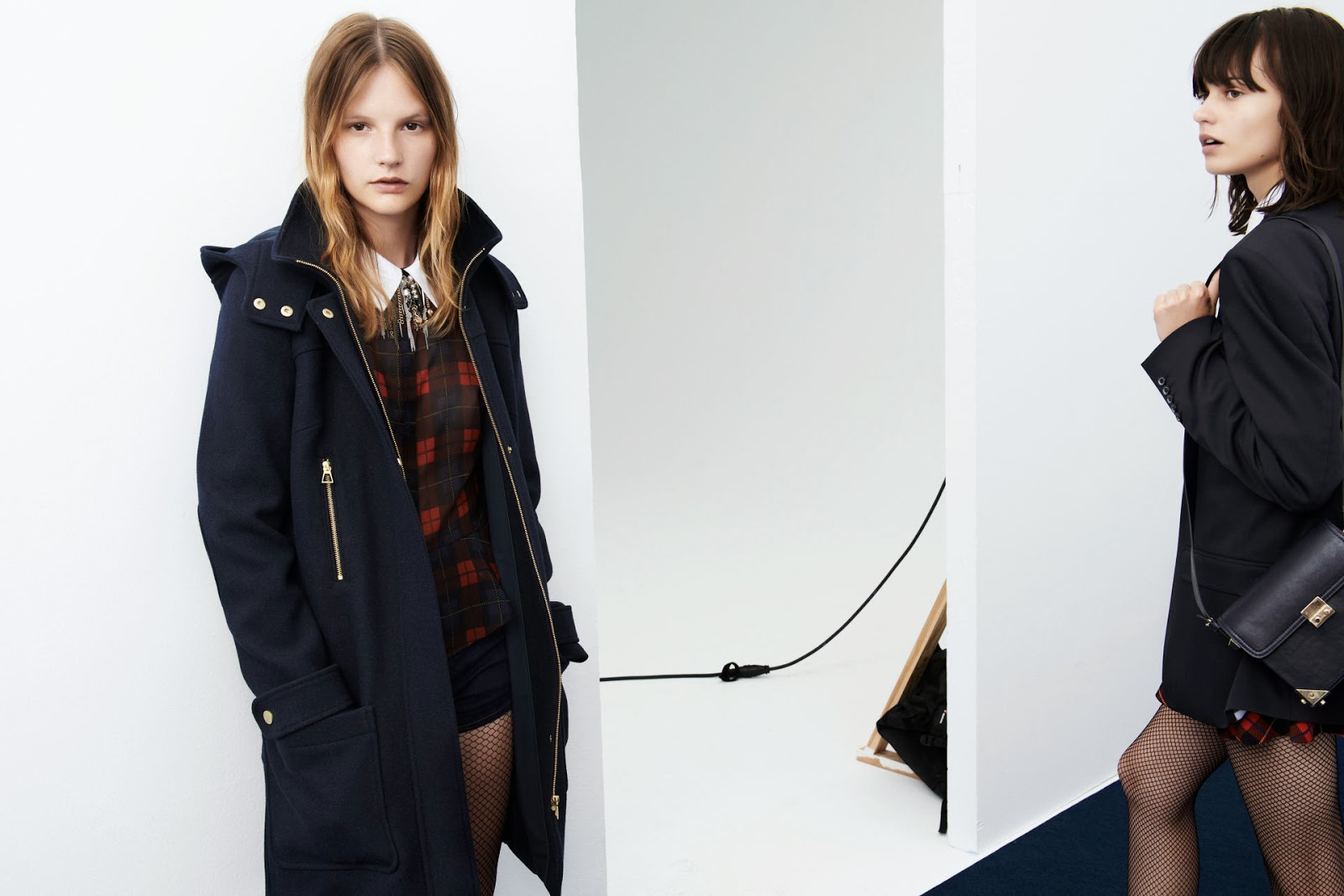
ZARA LOOKBOOK


...nest: tartan skirt

martedì 3 dicembre 2013

Differece between plaid and tartan


La figura trazionale dello scozzese delle highlands - drappeggiato in tessuti stampati con i tipici quadri dall'orlo del kilt al berretto - è ben presente nell'immaginario collettivo . Quegli stessi altopiani però, hanno visto anche l'invenzione di altri importanti tessuti di lana, come alcuni dei migliori tweed del mondo. E quando il tweed è stampato in fantasia plaid, può essere facile confondelo con il tartan.
 Le origini
 · Tartans e tessuti tweed sono entrambi nati nelle Highlands scozzesi. Grazie alla particolare idoneità di quella zona per l'allevamento delle pecore, entrambi in origine erano realizzati esclusivamente in lana. Ma, mentre il Tartan aveva la funzione di identificare i membri di uno stesso clan, il Tweed era un tessuto utilizzato in in modo generico, e prende il nome dal fiume Tweed che passa sul confine tra Scozia e Inghilterra .

Il Pattern

 · Con il termine plaid si identificano tutti i tessuti, compresi tartan e tweed plaid, stampati a strisce che si intersecano tra loro orizzontalmente e verticalmente . Ma, mentre la stampa plaid nei tartan ha sempre strisce di diverse larghezze ed i colori sono sempre gli stessi (quelli identificativi dei vari clan), la stampa plaid su tweed può essere di qualsiasi colore e design.

Le pieghe

 · Il tradizionale tessuto Tartan è usato per fare i kilt che hanno pieghe piatte e molto definite, e quindi è molto liscio e "fermo". Il Tweed invece è un tessuto twill, decisamente più morbido e "lento"rispetto al primo. Inoltre nei tartan vengono utilizzati fili tutti della stessa dimensione, invece nel tweed i fili variano di spessore, dando vita al tipico effetto "bozzerelluto" .

Il materiale 

· La maggior parte dei tartan ancora oggi sono realizzati in lana, anche se esistono anche le versioni degli stessi modelli in cotone, misti e sintetici. Allo stesso modo, sostanzialmente qualsiasi materiale può essere tessuto in tweed , ma generalmente la maggior parte sono realizzati in lana o seta. Di solito i Tweed plaid sono utilizzati per accessori in lana come cappelli e sciarpe .

Falsi miti

 · Girano parecchie idee sbagliate riguardo tartan: ad es. la convinzione che siano stati storicamente utilizzati per i kilt, che in realtà non sono stati così comuni fino almeno al 19 ° secolo , e che il numero di colori del tartan indicava lo status sociale del clan . Il Tweed invece è spesso associato con look conservatori e un pò severi - l'abbigliamento tipico dell'anziana signora severa con gonna di tweed, twinset e perle, insomma -, per fortuna gli stilisti stanno rivalutando questo materiale riproponendolo in versioni moderne, anche abbinato ai jeans, ed in  look giovani e alla moda .


The image of the Scottish highlander--draped in plaid from the hem of his kilt to the top of his tam--is seared in the public imagination. Those same highlands, though, also saw the creation of other fine wool fabrics, such as some of the world's finest tweeds. When the tweed is patterned in a plaid, it can be easy to confuse with a tartan.

Origins

·    Tartans and tweed fabric both originated in the Scottish highlands. Because of that area's suitability for raising sheep, both originally were made of wool exclusively. Tartans of the same design were used by members of the same clan. Tweed was named for the River Tweed, which forms part of the border between Scotland and England.

Patterns
·     All plaids, including tartans and plaid tweeds, comprise stripes that intersect each other horizontally and vertically. Tartan plaids always have stripes of different widths, and the colors in a named tartan are always the same. Plaid tweeds can be any color and design.

Weave

·    Tartan fabric is used to make kilts, which have knife-sharp pleats, and thus is made in a firm, smooth, traditional weave of one weft thread over and under one warp thread. Tweed uses a twill weave, in which the weft thread is passed over and under different numbers of warp threads to create a pattern. Tartans use the same size threads throughout; tweeds can have a nubby effect created by using threads that vary in thickness.

Materials
·     Most tartans still are made of wool, but tartan patterns now also come in cottons, blends and even synthetics. Any fabric can be woven in a tweed pattern, but most are made from wool or silk. Plaid tweeds are generally used in wool for items such as hats and scarves.

Myths
·     Common misconceptions about tartans include the belief that they were historically used for kilts, which in fact were not common until the 19th century, and that the number of colors in a tartan denoted the social status of the clan. Tweed is often associated with conservative dressing and even dowdiness--picture a matron with tweed skirt, matching twinset and pearls--but hip designers use tweed paired with modern styles and even jeans for a hip young look.


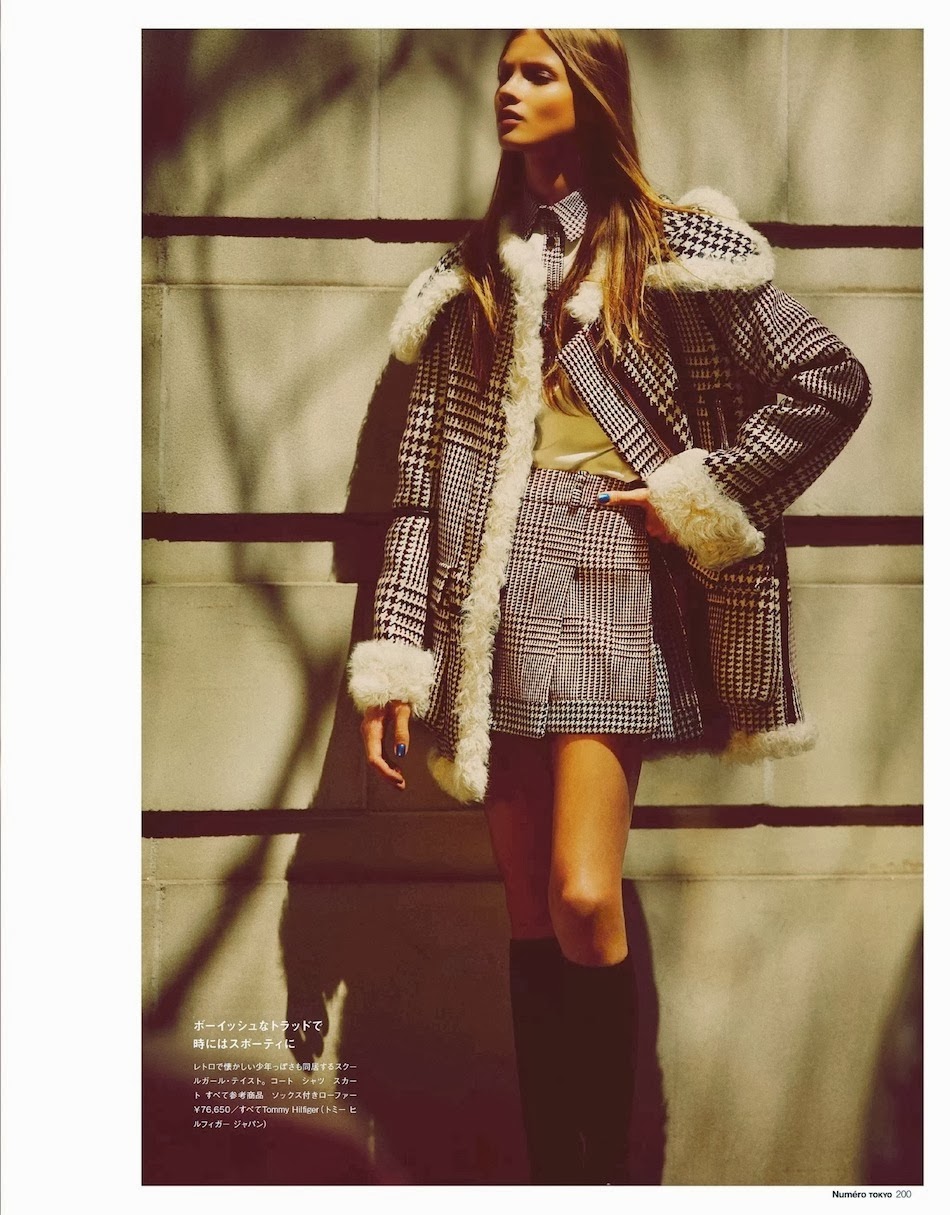
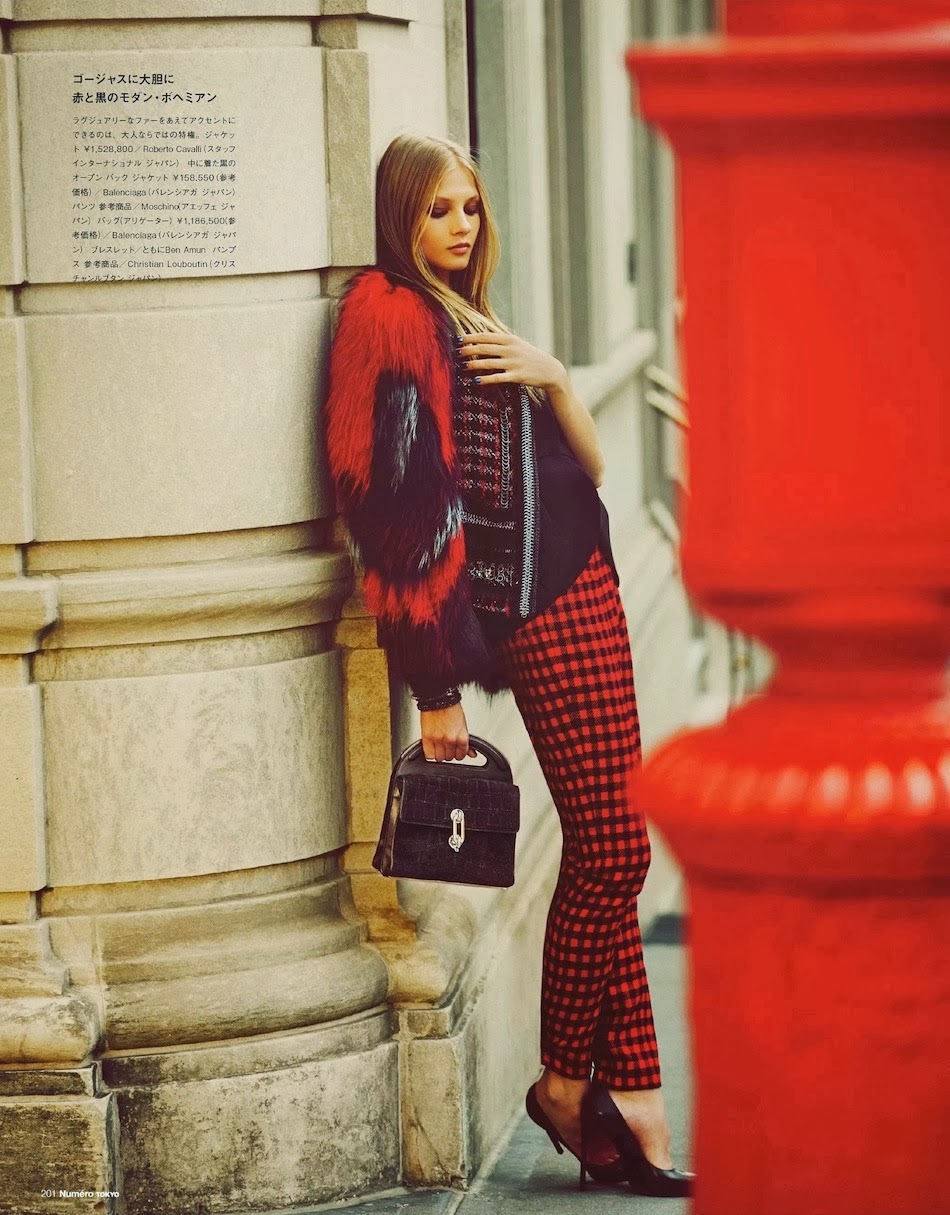
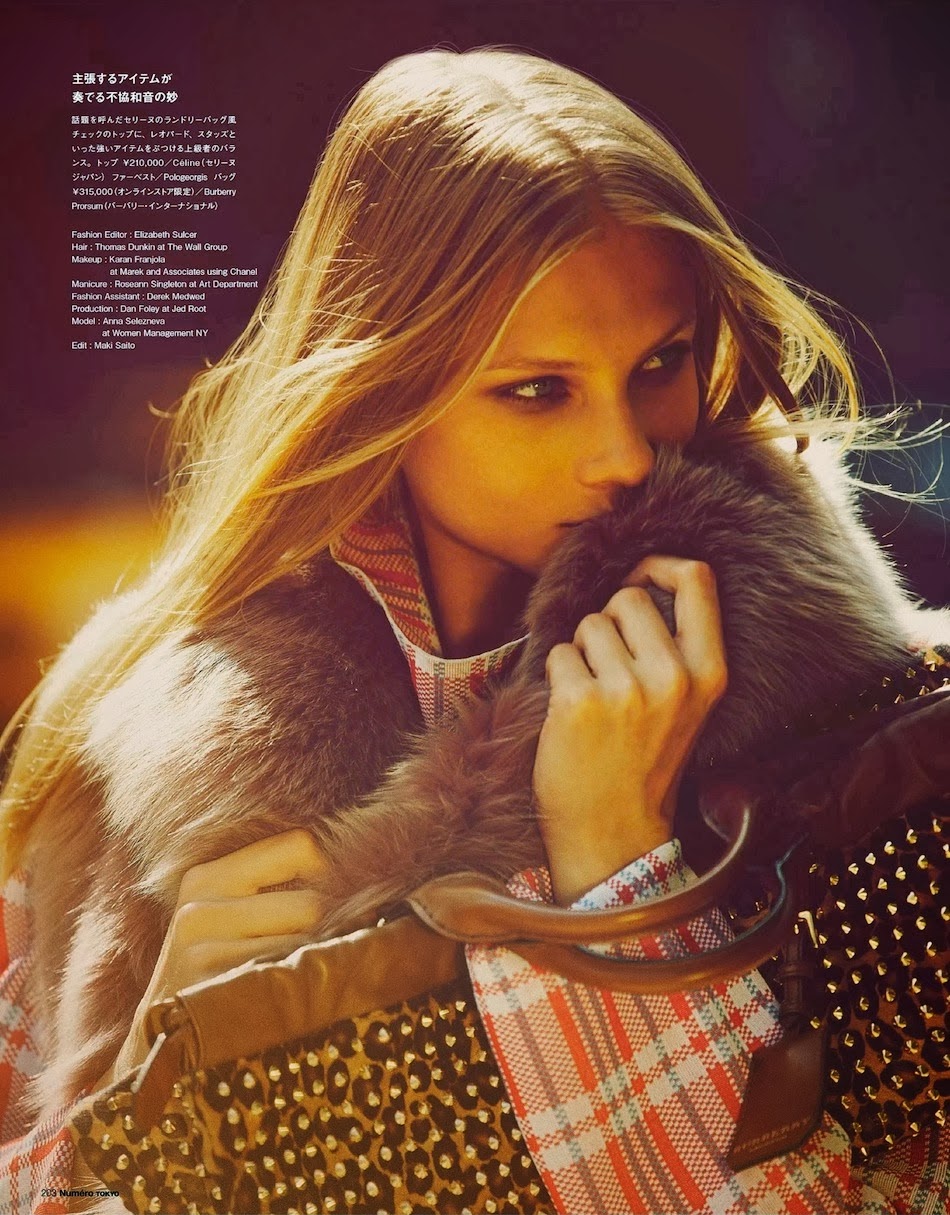
NUMERO TOKYO


...next: put on tartans

LinkWithin

Related Posts Plugin for WordPress, Blogger...