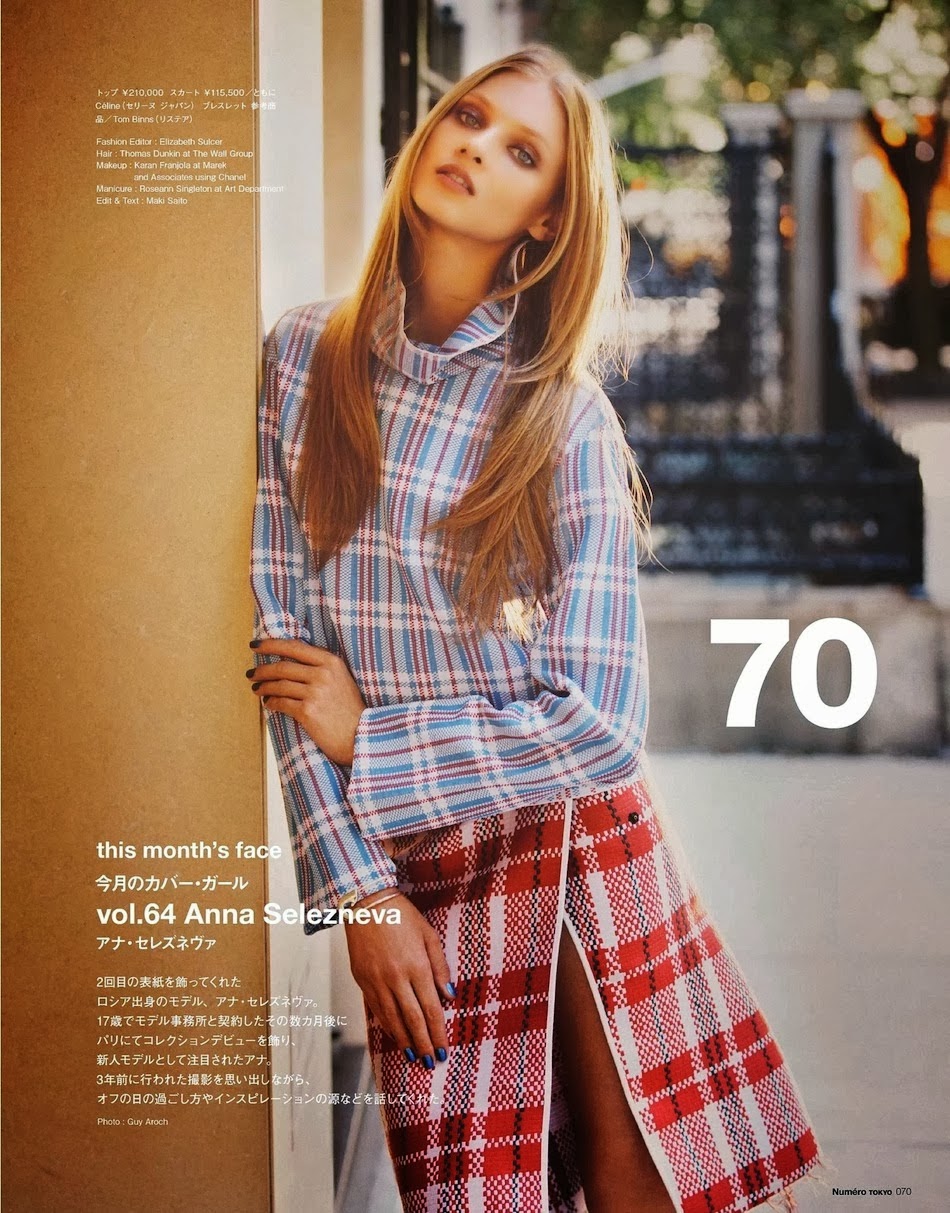
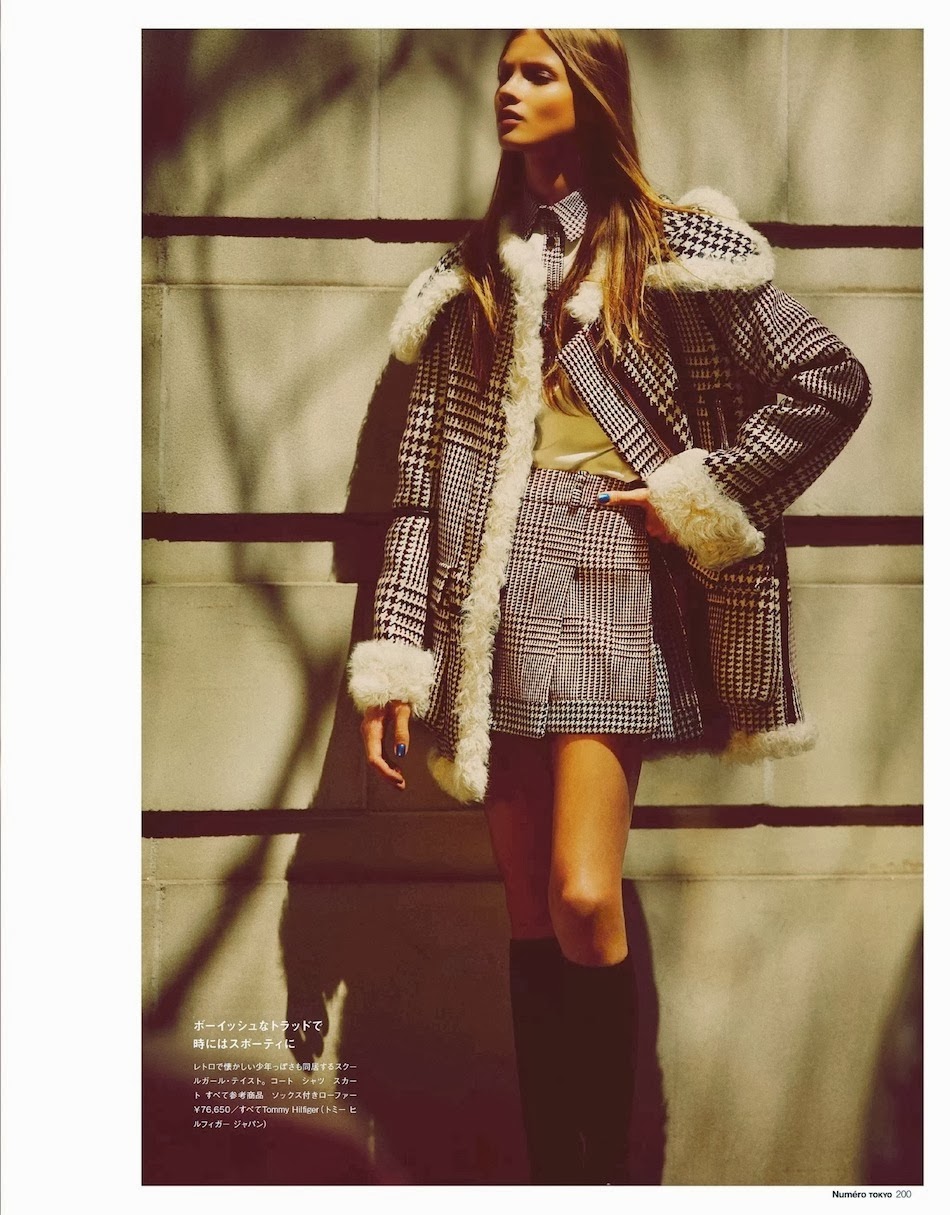
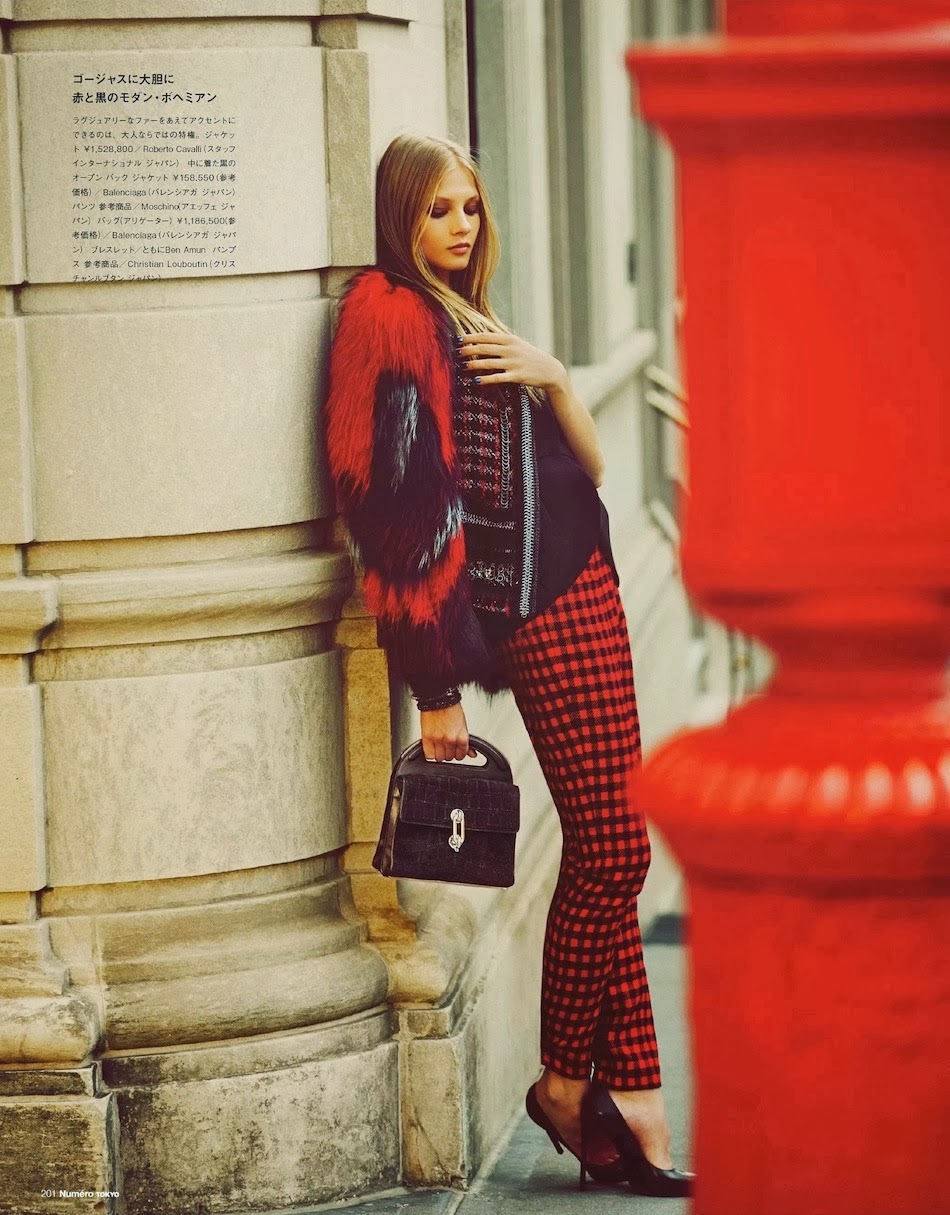
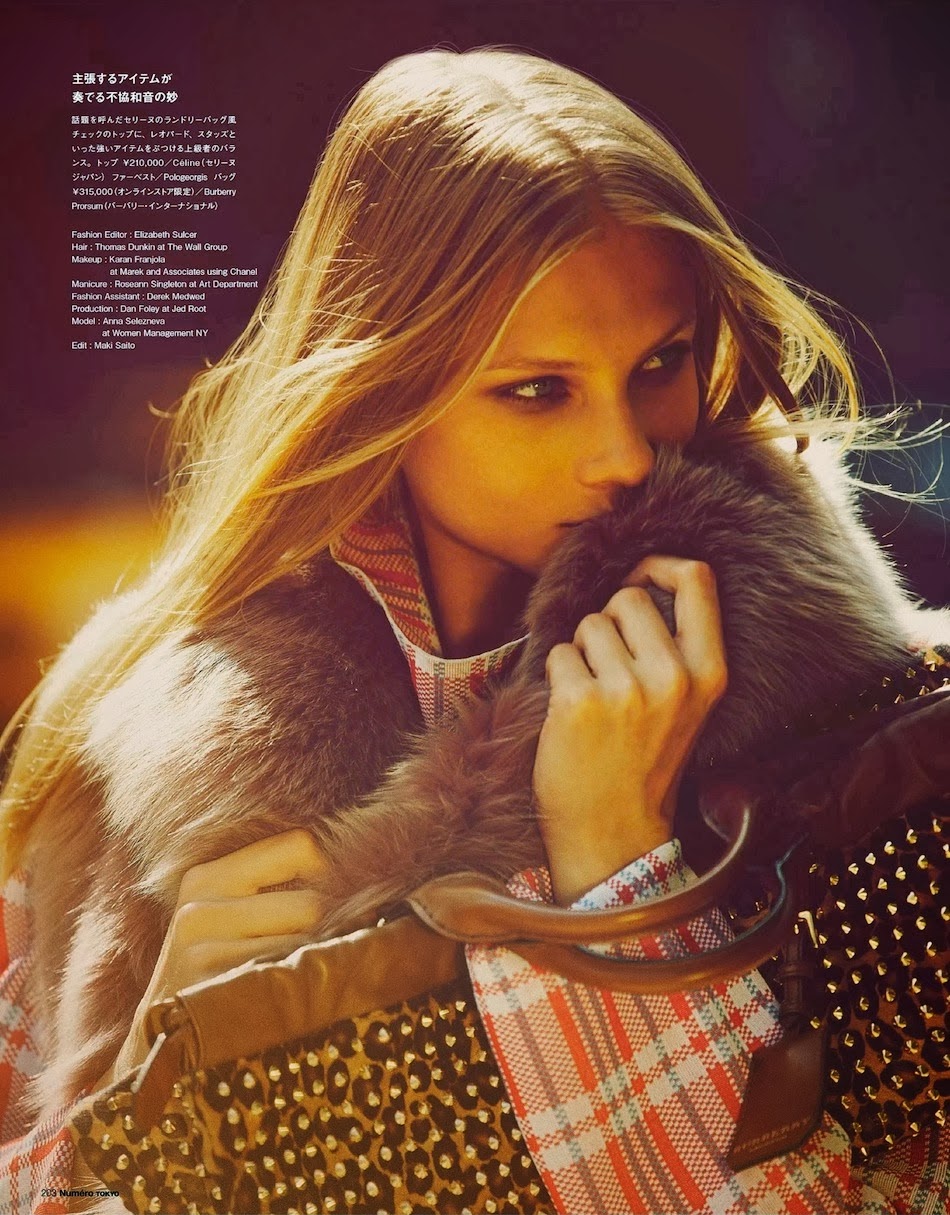
La figura
trazionale dello scozzese delle highlands - drappeggiato in tessuti stampati con i tipici quadri dall'orlo del kilt al berretto - è ben presente nell'immaginario
collettivo . Quegli
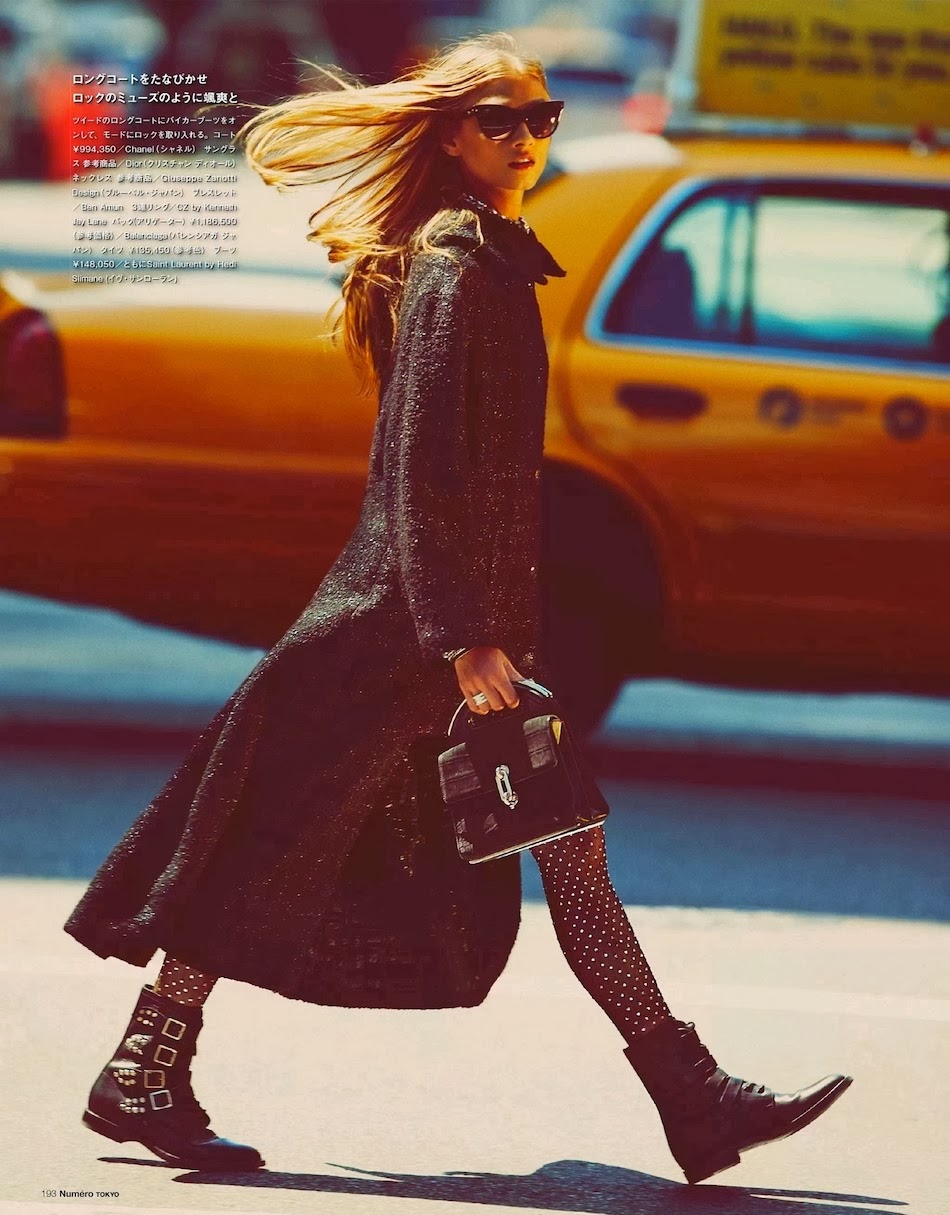
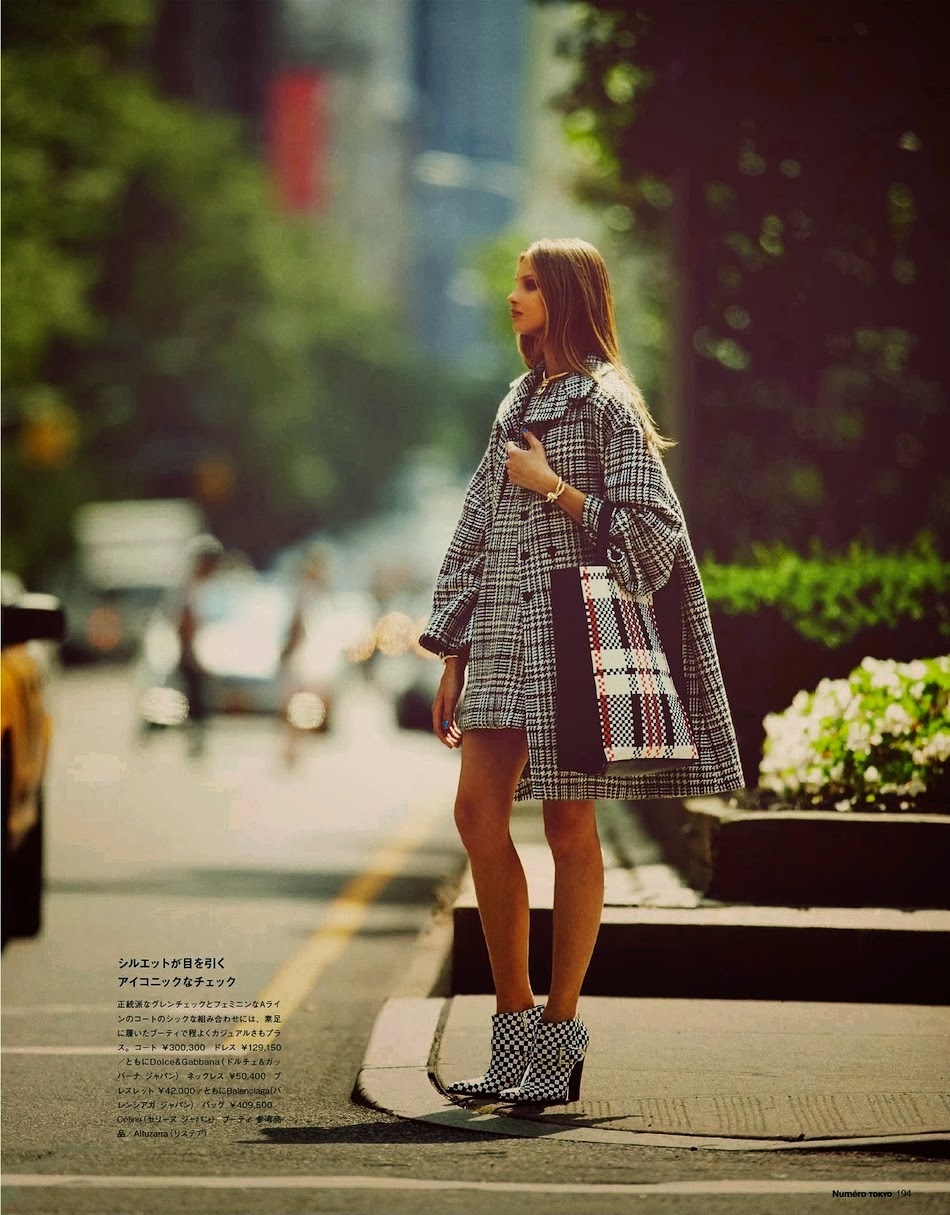
stessi altopiani però, hanno visto anche l'invenzione di altri importanti tessuti di lana, come alcuni dei migliori tweed del mondo. E quando il tweed è stampato in fantasia plaid, può essere facile confondelo con il tartan.
Le origini
· Tartans e tessuti tweed sono entrambi nati nelle Highlands scozzesi. Grazie alla particolare idoneità di quella zona per l'allevamento delle pecore, entrambi in origine erano realizzati esclusivamente in lana. Ma, mentre il Tartan aveva la funzione di identificare i membri di uno stesso clan, il Tweed era un tessuto utilizzato in in modo generico, e prende il nome dal fiume Tweed che passa sul confine tra Scozia e Inghilterra .
Il Pattern
· Con il termine plaid si identificano tutti i tessuti, compresi tartan e tweed plaid, stampati a strisce che
si intersecano tra loro orizzontalmente e verticalmente . Ma, mentre la stampa plaid nei tartan ha sempre strisce di diverse larghezze ed i colori sono sempre gli stessi (quelli identificativi dei vari clan), la stampa plaid su tweed può essere di qualsiasi colore e design.
Le pieghe
·
Il tradizionale tessuto Tartan è usato per fare i kilt che hanno pieghe piatte e molto definite, e quindi è molto liscio e "fermo". Il Tweed
invece è un tessuto twill, decisamente più morbido e "lento"rispetto al primo. Inoltre nei tartan vengono
utilizzati fili tutti della stessa dimensione, invece nel tweed i fili variano di spessore, dando vita al tipico effetto "bozzerelluto" .
Il materiale
·
La maggior parte dei tartan ancora oggi sono realizzati in lana, anche se esistono anche le versioni degli stessi modelli in cotone, misti e sintetici. Allo stesso modo, sostanzialmente qualsiasi materiale può essere tessuto in tweed , ma generalmente la maggior parte sono realizzati in lana o seta. Di solito i Tweed plaid sono utilizzati per accessori in lana come cappelli e sciarpe .
Falsi miti
· Girano parecchie idee sbagliate riguardo tartan: ad es. la convinzione che siano stati storicamente utilizzati per i kilt, che in realtà non sono stati così
comuni fino almeno al 19 ° secolo , e che il numero di colori del tartan
indicava lo status sociale del clan . Il Tweed
invece è spesso associato con look conservatori e un pò severi - l'abbigliamento tipico dell'anziana signora severa con gonna di tweed, twinset e perle, insomma -, per fortuna gli stilisti stanno rivalutando questo materiale riproponendolo in versioni moderne, anche abbinato ai jeans, ed in look giovani e alla moda .
The image of
the Scottish highlander--draped in plaid from the hem of his kilt to the top of
his tam--is seared in the public imagination. Those same highlands, though,
also saw the creation of other fine wool fabrics, such as some of the world's
finest tweeds. When the tweed is patterned in a plaid, it can be easy to
confuse with a tartan.
Origins
· Tartans
and tweed fabric both originated in the Scottish highlands. Because of that
area's suitability for raising sheep, both originally were made of wool
exclusively. Tartans of the same design were used by members of the same clan.
Tweed was named for the River Tweed, which forms part of the border between Scotland and England.
Patterns
· All
plaids, including tartans and plaid tweeds, comprise stripes that intersect
each other horizontally and vertically. Tartan plaids always have stripes of
different widths, and the colors in a named tartan are always the same. Plaid
tweeds can be any color and design.
Weave
· Tartan
fabric is used to make kilts, which have knife-sharp pleats, and thus is made
in a firm, smooth, traditional weave of one weft thread over and under one warp
thread. Tweed uses a twill weave, in which the
weft thread is passed over and under different numbers of warp threads to
create a pattern. Tartans use the same size threads throughout; tweeds can have
a nubby effect created by using threads that vary in thickness.
Materials
· Most
tartans still are made of wool, but tartan patterns now also come in cottons,
blends and even synthetics. Any fabric can be woven in a tweed pattern, but
most are made from wool or silk. Plaid tweeds are generally used in wool for
items such as hats and scarves.
Myths
· Common
misconceptions about tartans include the belief that they were historically
used for kilts, which in fact were not common until the 19th century, and that
the number of colors in a tartan denoted the social status of the clan. Tweed is often associated with conservative dressing and
even dowdiness--picture a matron with tweed skirt, matching twinset and
pearls--but hip designers use tweed paired with modern styles and even jeans
for a hip young look.
 |
| NUMERO TOKYO |
...next: put on tartans